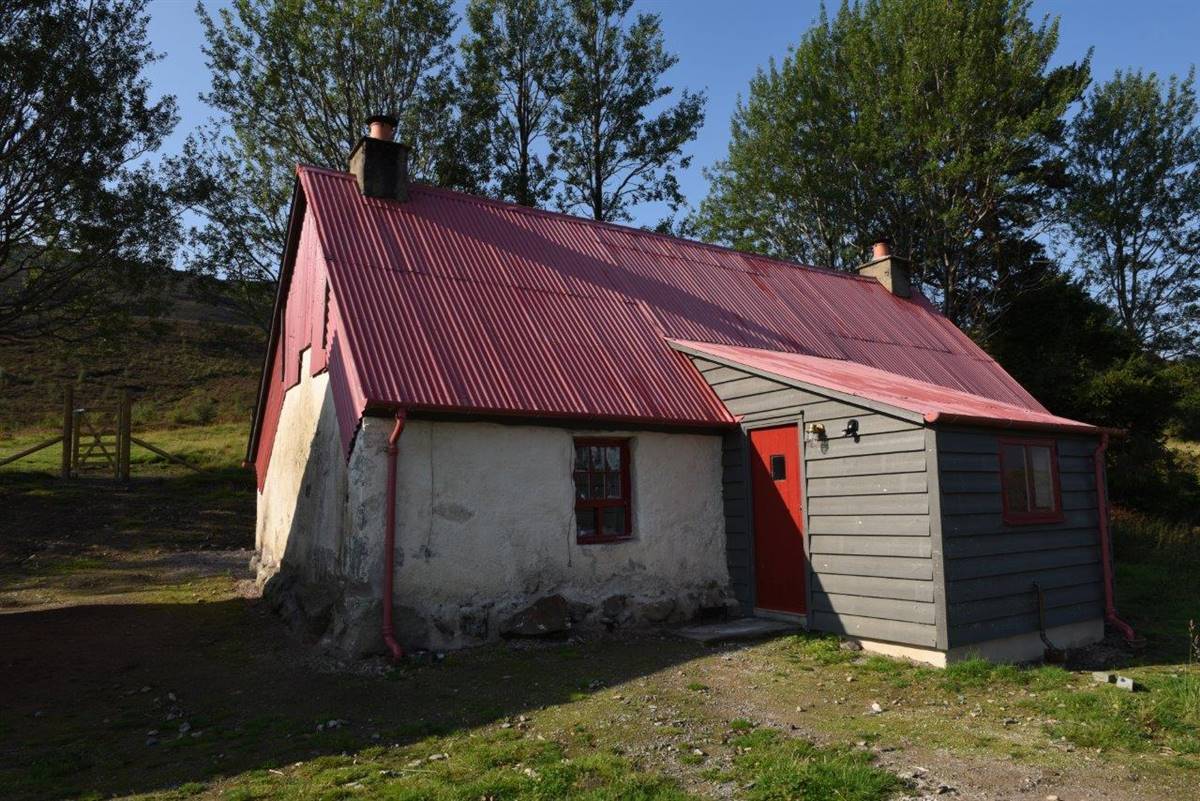
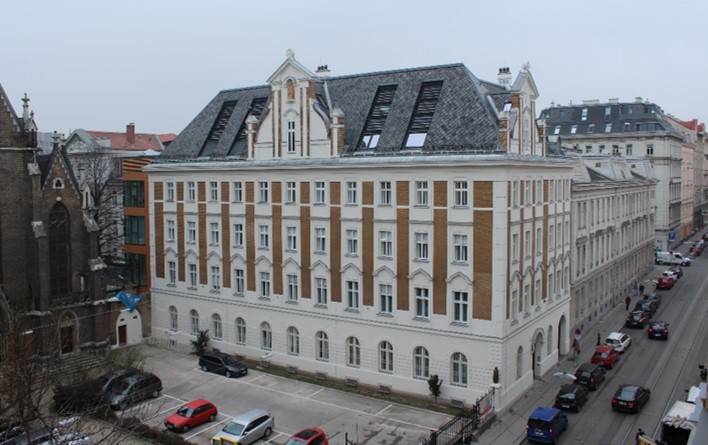
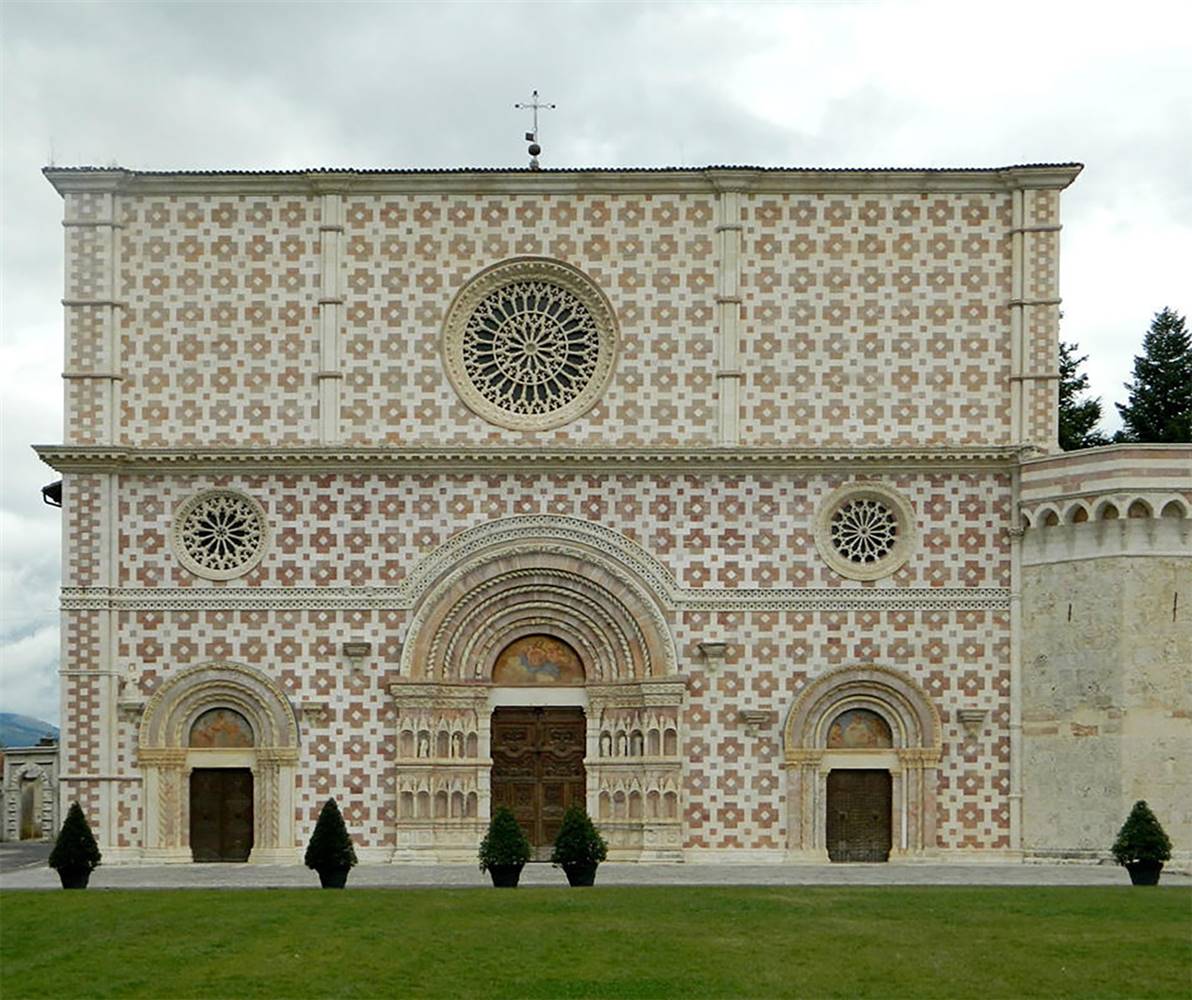
Railway worker house
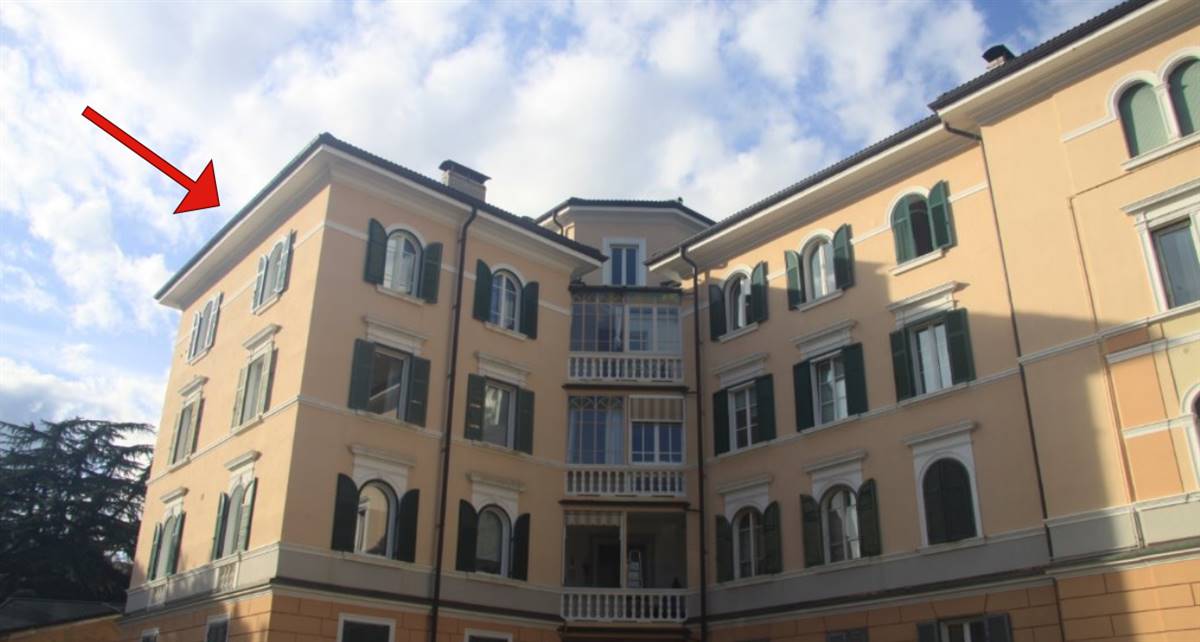
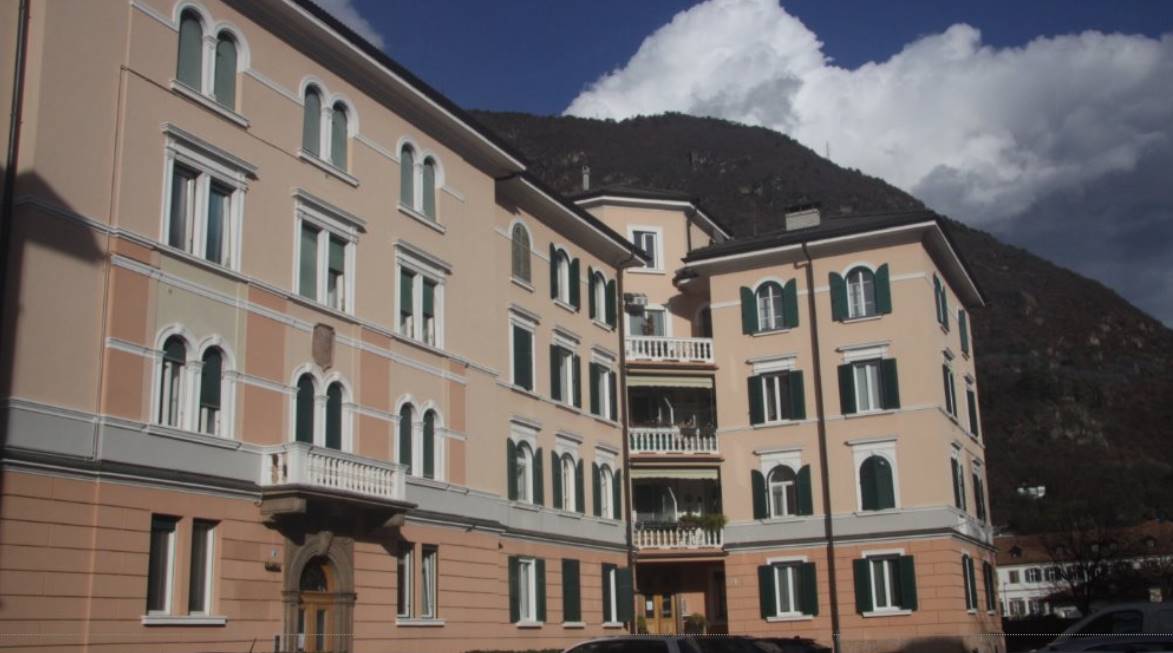
via Castel Roncolo
39100
Bolzano, Italien
Besitzer
Bewohner
Ansprechpartner
Other Information
Information comes from the building owner (Stephan Vale and Alexandra Troi) and the architects (in-arte). The documentation of the step-by-step refirbishment for the PHPP conference was done within PNRR project iNEST, Air-tightness testing was done within
Klimazone dfa
Höhe über dem Meer 256 m ü.d.M.
Heizgradtage 2570
Kühlgradtage 207
Ensembleschutz:
Nein
Stufe der Unterschutzstellung:
Letzte Sanierung:
2023
Vorhergehende Sanierungen:
2017
zusätzliche Nutzung:
NA
Gebäudebelegung:
Permanently occupied
Anzahl der Bewohner/Nutzer:
2
Gebäudetyp:
One apartment in the apartment block
Anzahl der Stockwerke:
1
Keller ja/nein:
Ja
Anzahl der beheizten Stockwerke:
1
Bruttogeschossfläche [m²]:
107,0
Thermische Gebäudehülle [m²]:
240,0
Volumen [m³]:
375,0
NGF Berechnungsmethode:
NGF (de)
Außen:
Rendered
Innen:
Plastered (on hard)
Dach:
Flat roof
RENOVIERUNGS-PROZESS
Architektur
BESCHREIBUNG
Erhaltungszustand
DENKMALWERT
Ziel der Sanierung
SANIERUNGS-LÖSUNGEN
Außenwände
Brick masonry
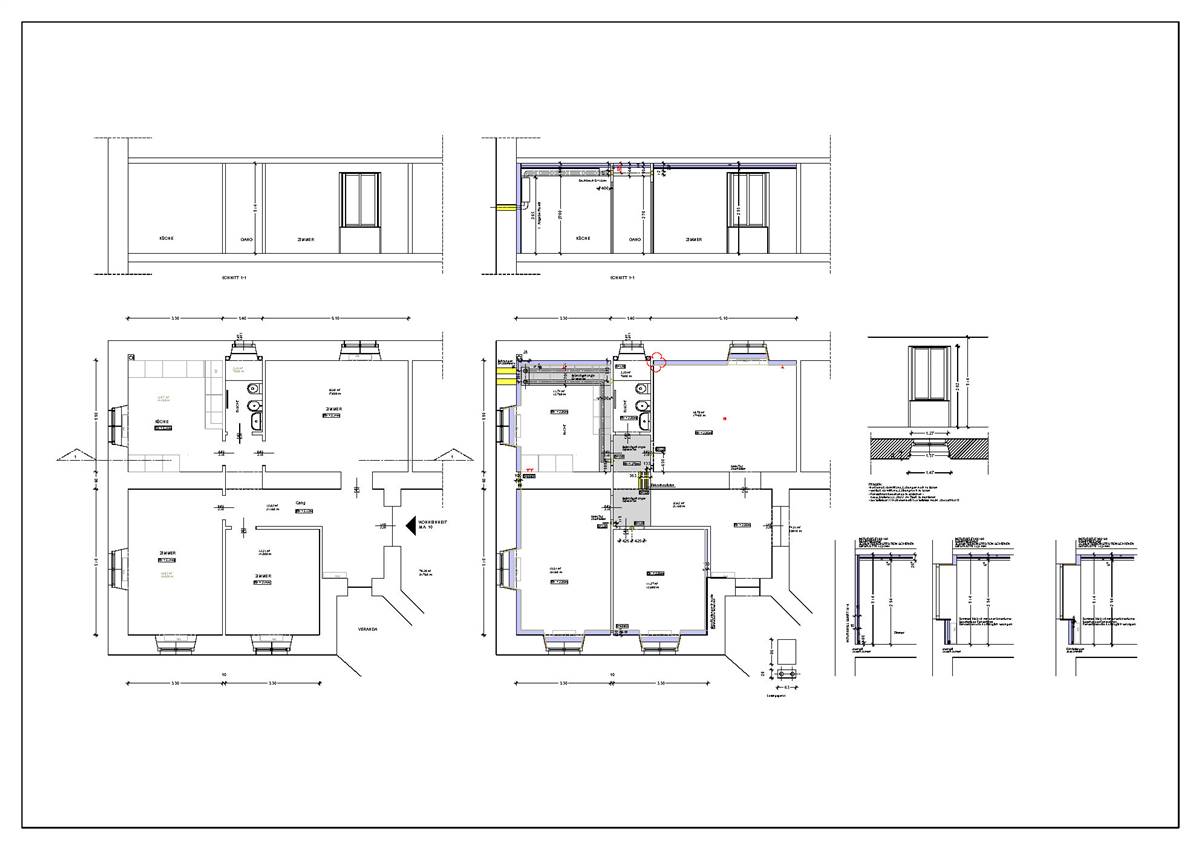
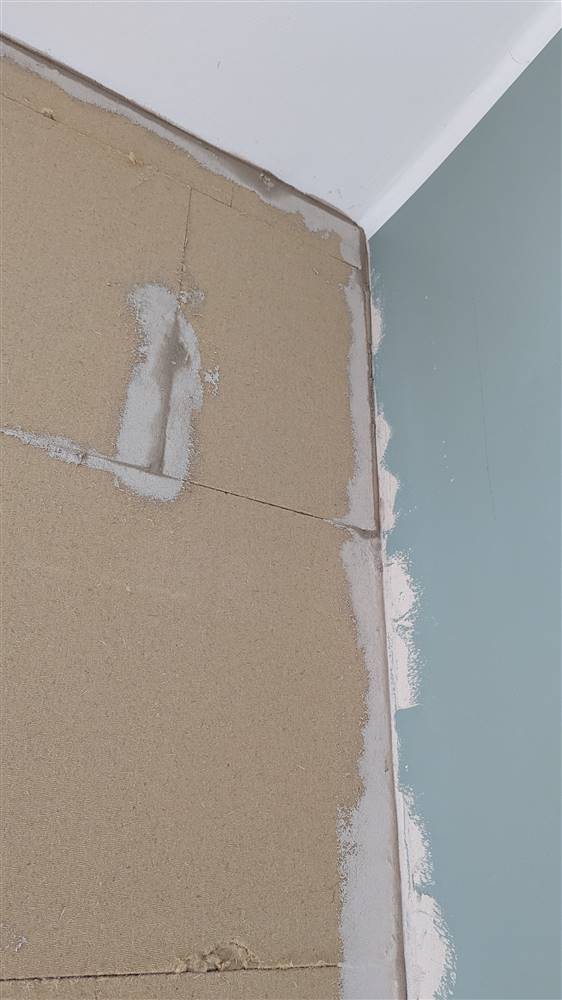
The solid brick wall, 60 cm thick and plastered on both the interior and exterior sides, was upgraded as part of the energy retrofit by applying 16 cm of internal wood fiber insulation. This was achieved by combining a 10 cm panel with a 6 cm panel. Particular attention was paid to ensuring a full-surface adhesive installation of the insulation in order to completely avoid any rear ventilation and to allow the wood fiber insulation to fully exploit its capillary-active properties. The airtight connection to the floor slab was also carefully executed. At the junction with the floor, where heating pipes run (previously installed surface-mounted), the inner 6 cm insulation layer was omitted over a height of 10 cm, creating a recess for routing the services, which was subsequently finished with plaster.
The wall was insulated from the inside, not only because, in the renovation of a single apartment within a multi-family building, this is effectively the only feasible approach, but also because it allows the characteristic external plaster to remain visible and unchanged.
50 mm
570 mm
50 mm
50mm
570 mm
15 mm
5 mm
160 mm
50 mm
Fenster
Standard WIndow
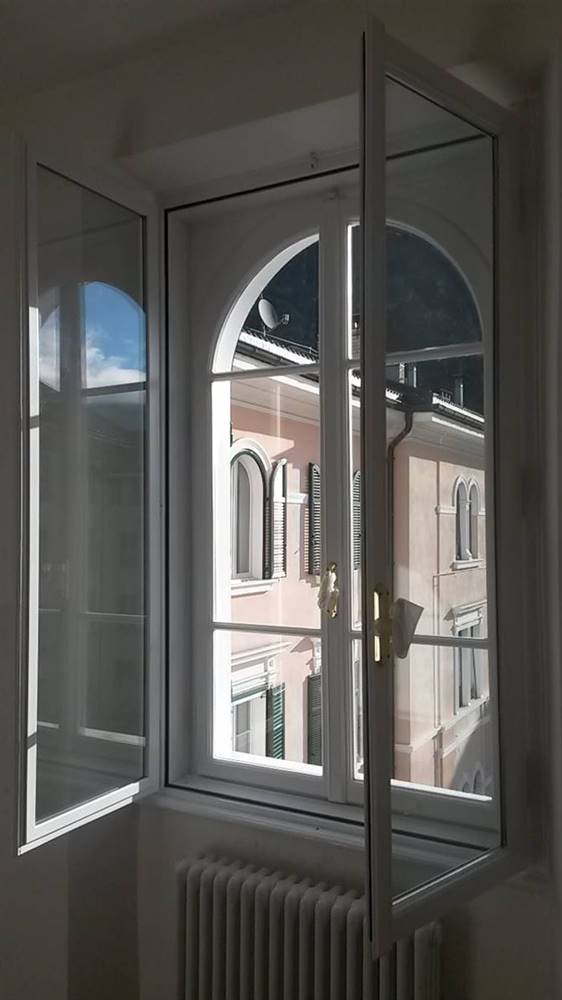
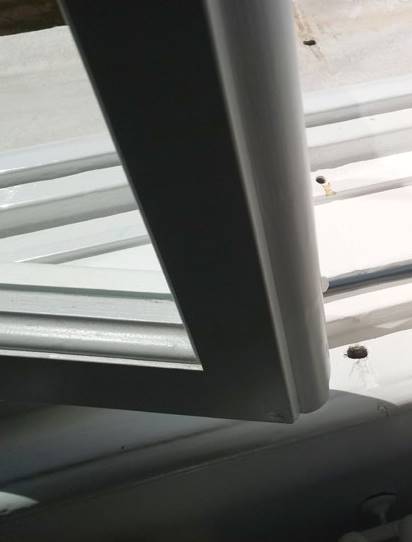
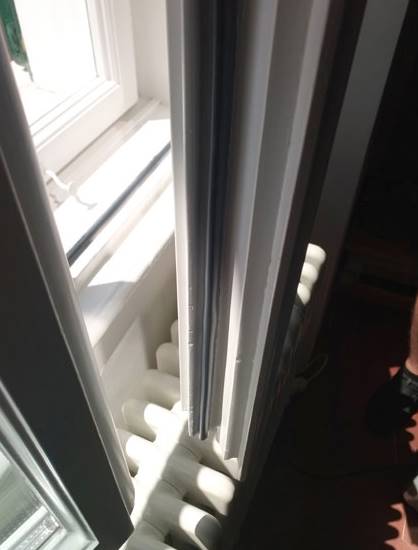
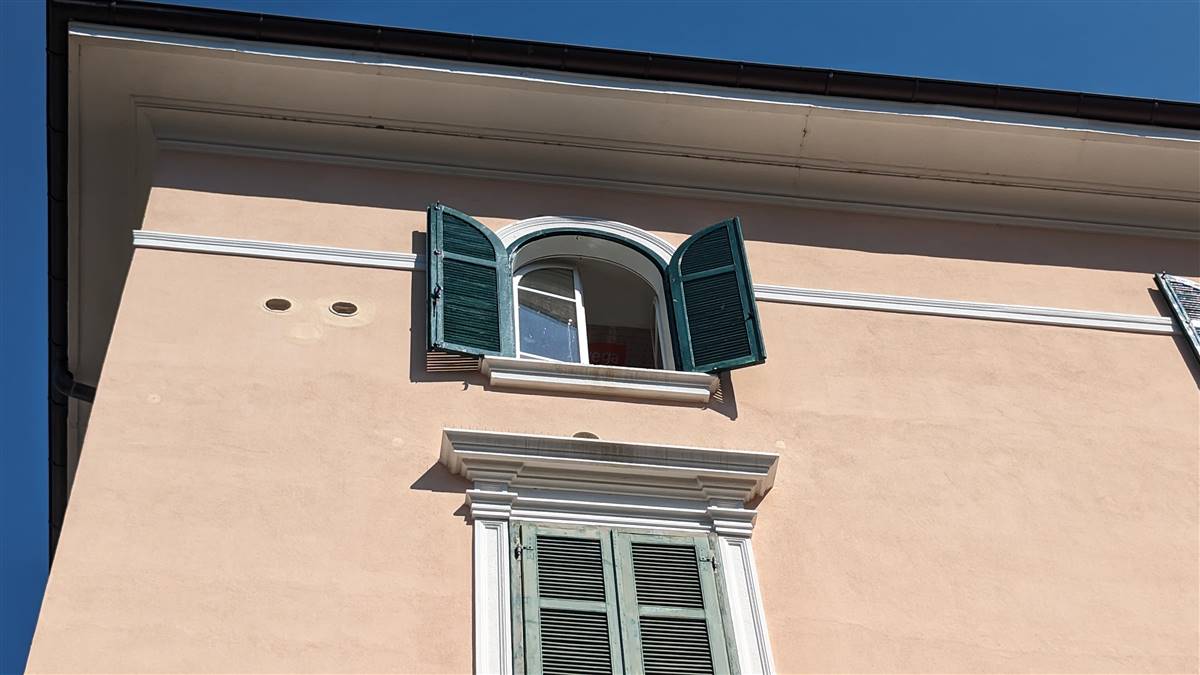
The renovation upgraded the windows’ performance through repair and retrofit while preserving their historic character (e.g., box-type windows with the “Wolfsrachen” detail). It significantly reduced overall Uw (e.g., box-type windows from 2.1 to 1.05 W/m²K) without changing the original typology.
The intervention is conservation-compatible because it preserves the building’s historic features by refurbishing and upgrading the original windows (e.g., box-type windows with the “Wolfsrachen” detail) rather than replacing them.
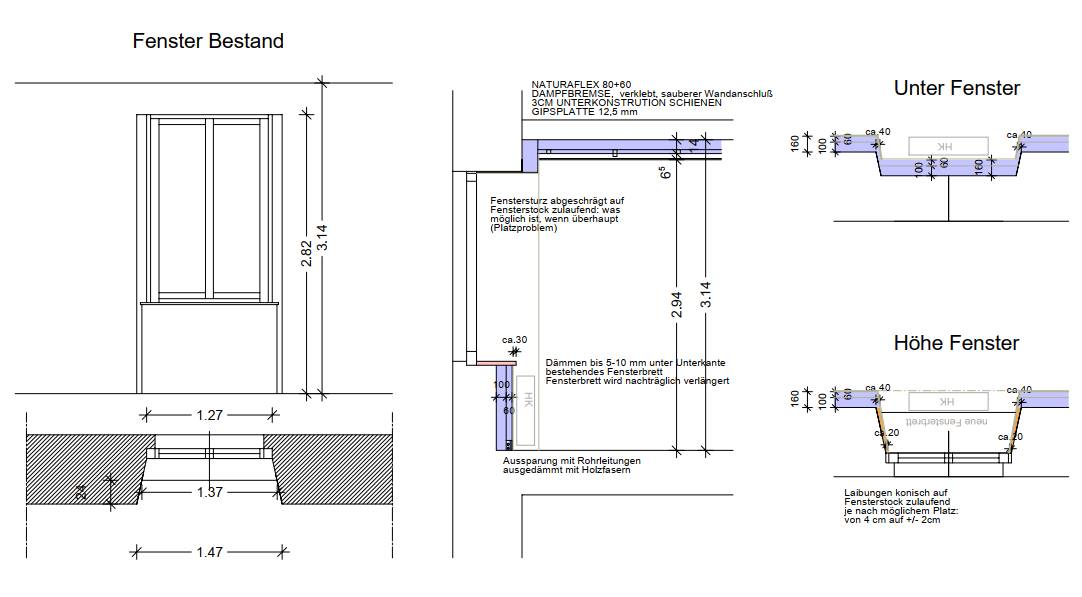
| Fenstertyp Bestand | Casement window |
| Verglasungsart Bestand | Single |
| Verschattung Bestand | Outer shutter |
| Ungefähres Einbaujahr | 1900 |
| Neuer Fenstertyp | Casement window |
| Verglasungsart des neuen Fensters | Double |
| Verschattung des neuen Fensters | NA |
| Neuer Energiedurchlassgrad g [-] | 0,56 |
Weitere Maßnahmen
DACH
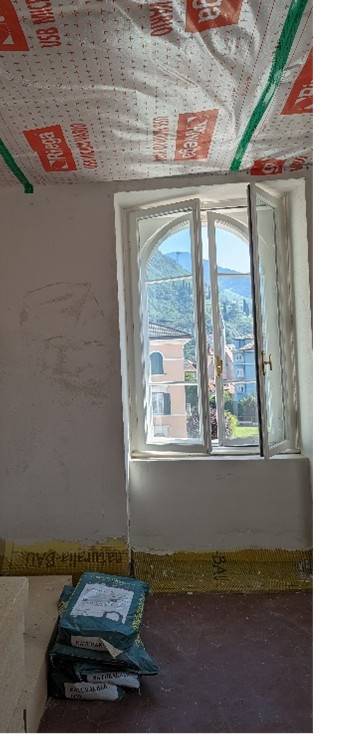
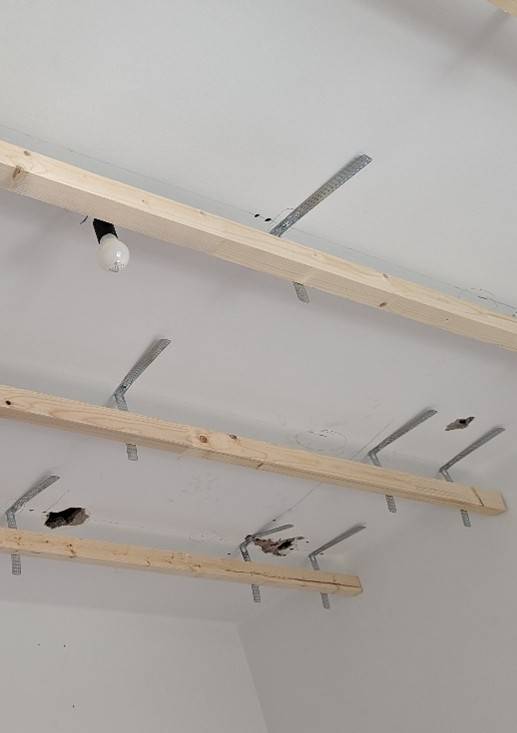
The intervention insulated the ceiling towards the attic with about 20 cm of insulation, achieving a final U-value of about 0.16 W/m²K.
The intervention is generally conservation-compatible because it is carried out from the inside and does not change the roof geometry or exterior appearance. Compatibility mainly depends on correct installation and detailing that avoids discontinuities or interference with valuable elements.
450 mm
50 mm
450 mm
200 mm
15 mm
HVAC
LÜFTUNG
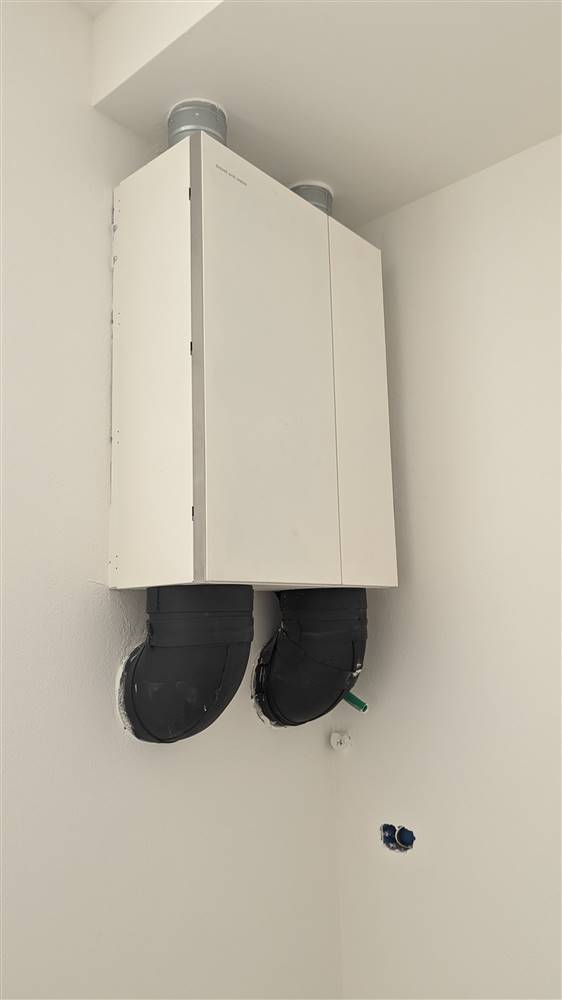
The renovation involved changes to building services, including the installation of a mechanical ventilation system to complement the internal insulation retrofit. This upgrade aims to ensure adequate air exchange and better control of humidity and indoor air quality.
The intervention is generally conservation-compatible because it adds an internal building-services system without changing the building’s exterior appearance or key architectural features. As this is a conventional solution, compatibility mainly depends on discreet integration and minimally invasive service routes.
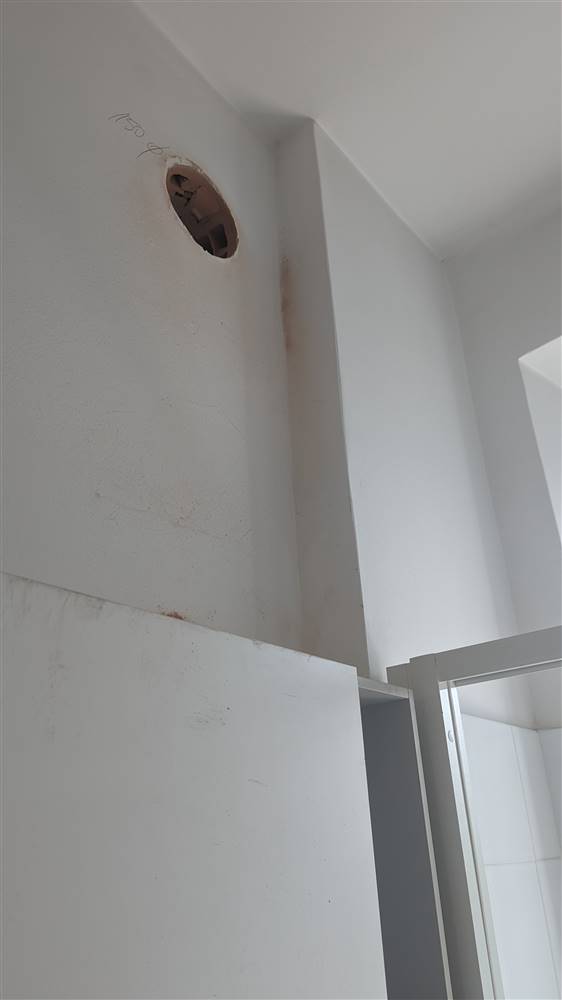
| Aufbau Bestandsdach | Neues Lüftungssystem |
|---|---|
| Lüftungstyp | Decentralized |
| Type flow regime | NA (Natural) |
| Wärmerückgewinnung | Nein |
| Feuchterückgewinnung | Nein |
| Nennleistung | - kW |
| Elektrische Leistung | 0,02 kW |
| Regelung | - |
Energieeffizienz
Freiwillige Zertifikate Nein
Primärenergie 94,52 kWh/m2.y
Energieverbrauch nach Sanierung 94,52 kWh/m2.y
Primärenergie
Berechnungsmethode Steady state simulation (e.g. EPC, PHPP)
Energieverbrauch incl Brauchwarmwasser Ja
Energieverbrauch nach Sanierung 94,52 kWh/m2.y
Kosten
Final cost of the retrofit: 59.000€
59.000€ (total)
Nein
Umwelt